

Smart Home Gadgets That Actually Save Time
In an era defined by relentless schedules and digital overload, convenience is no longer a luxury—it is a necessity. Smart technology promises efficiency, automation, and seamless living, yet not every connected device truly delivers measurable benefits. Many products add novelty rather than utility. The real value lies in choosing tools that meaningfully reduce friction in daily routines. When implemented strategically, smart home gadgets save time in ways that compound over weeks and months, freeing up mental bandwidth and reclaiming hours otherwise lost to repetitive tasks.
This article explores the smart home gadgets that genuinely improve productivity. Rather than focusing on flashy features, we will examine devices that optimize workflows, automate repetitive actions, and streamline home management.
The Philosophy of Time-Saving Smart Homes
Before evaluating specific devices, it is important to understand the underlying principle. Time savings in a smart home come from three core mechanisms: automation, centralization, and remote control. Automation eliminates repetitive tasks. Centralization reduces cognitive load by unifying control systems. Remote access removes the need for physical presence.
When smart home gadgets save time, they do so by reducing micro-decisions and manual interventions. Turning off lights, adjusting temperature, managing groceries, and securing the home become background processes rather than active responsibilities. The goal is not to create a futuristic environment for its own sake but to engineer a more efficient daily routine.
Smart Speakers and Voice Assistants: Hands-Free Efficiency

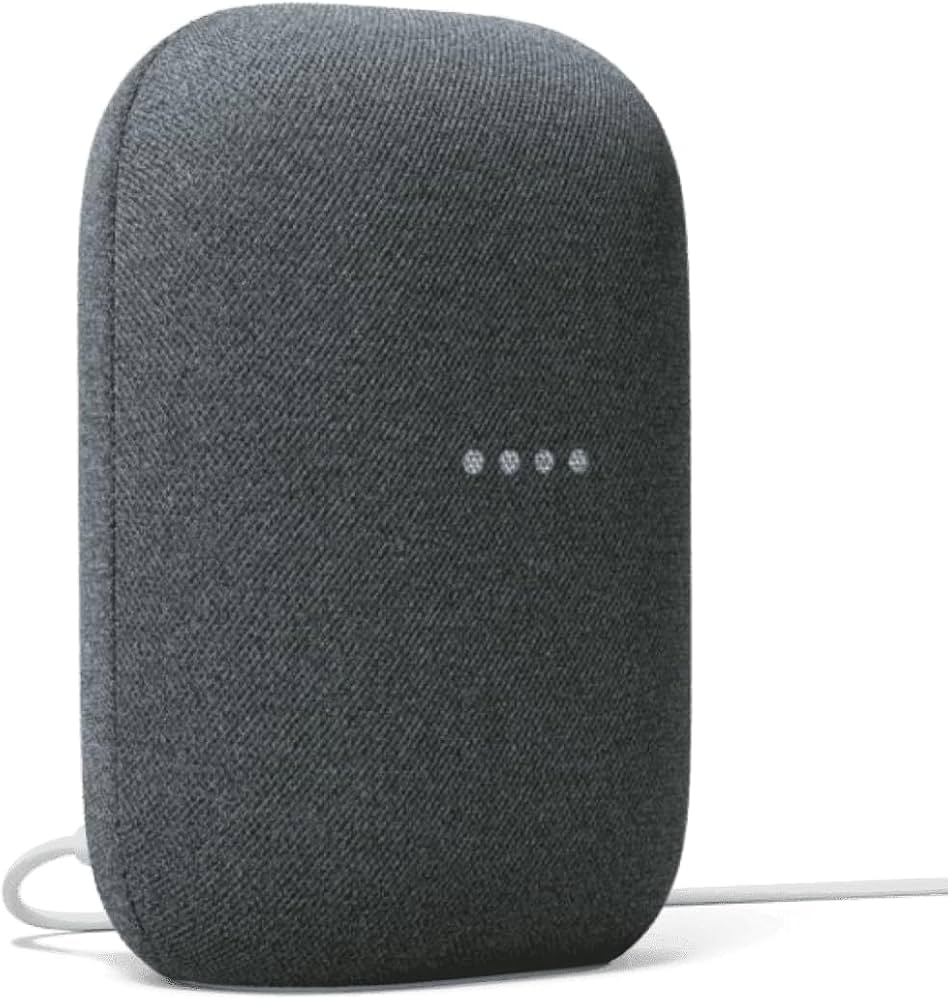


Devices like the Amazon Echo, Google Nest Audio, and Apple HomePod mini have evolved from novelty gadgets into functional command centers. Voice assistants eliminate the need to manually interact with multiple apps or switches. Instead of unlocking a phone, navigating menus, and adjusting settings, a single spoken command can set reminders, manage shopping lists, control lighting, or initiate routines.
The true advantage emerges when these devices orchestrate entire workflows. A “morning routine” can simultaneously turn on lights, start coffee makers, read the day’s schedule, and adjust the thermostat. Over time, the cumulative seconds saved in these micro-interactions translate into tangible hours.
Moreover, voice assistants reduce context switching. Rather than pausing a task to check weather updates or set timers, users can continue working uninterrupted. In productivity science, minimizing context shifts significantly enhances efficiency. In this way, smart home gadgets save time not merely through automation but by protecting cognitive focus.
Robot Vacuum Cleaners: Autonomous Cleaning Systems
Few household chores are as repetitive and time-consuming as floor cleaning. Robot vacuums such as the iRobot Roomba j7, Roborock S8, and Ecovacs Deebot T20 automate this entirely.
Modern models incorporate LiDAR mapping, obstacle detection, and programmable scheduling. Instead of allocating thirty minutes several times a week for vacuuming, homeowners can schedule cleaning during work hours. Advanced systems even empty their own dustbins and resume cleaning automatically.
The time savings are not merely operational; they also reduce decision fatigue. There is no need to remember when the floor was last cleaned or to rearrange schedules to accommodate it. When smart home gadgets save time, they often do so by removing entire categories of tasks from daily planning.
Smart Lighting Systems: Automated Illumination

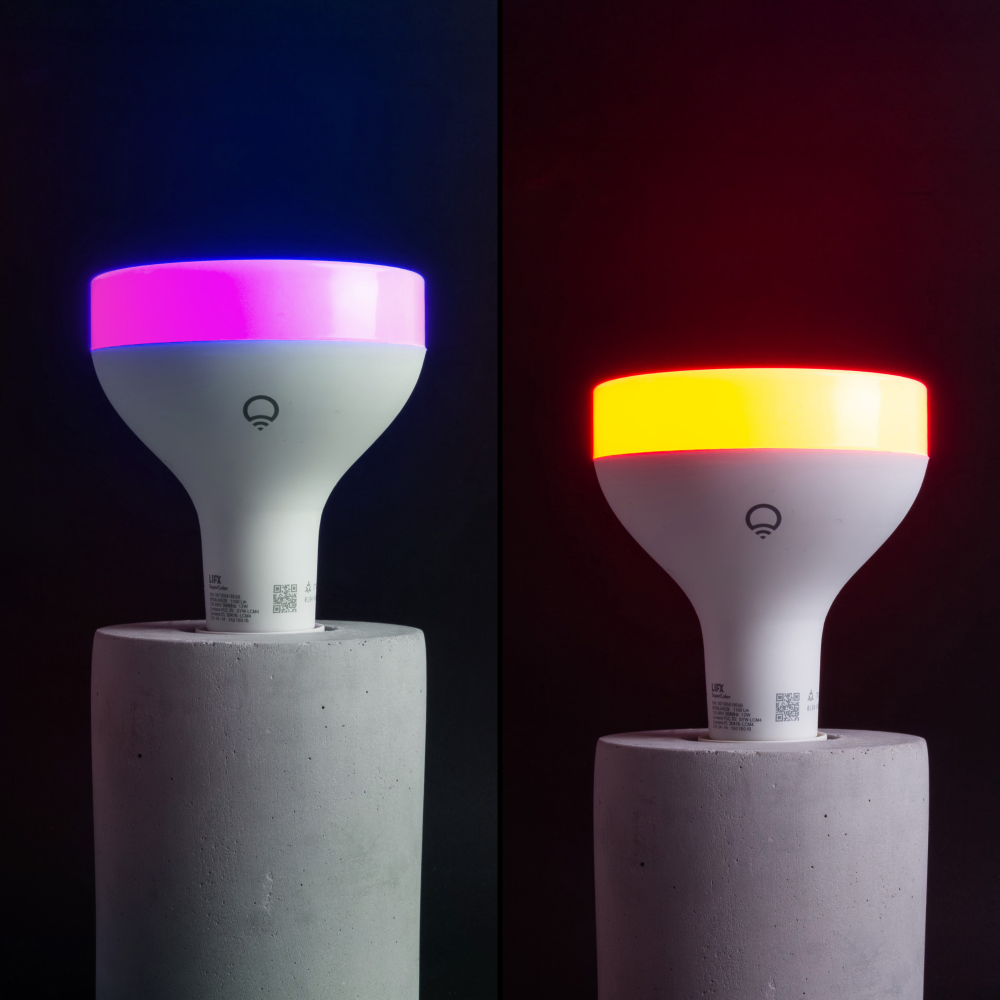
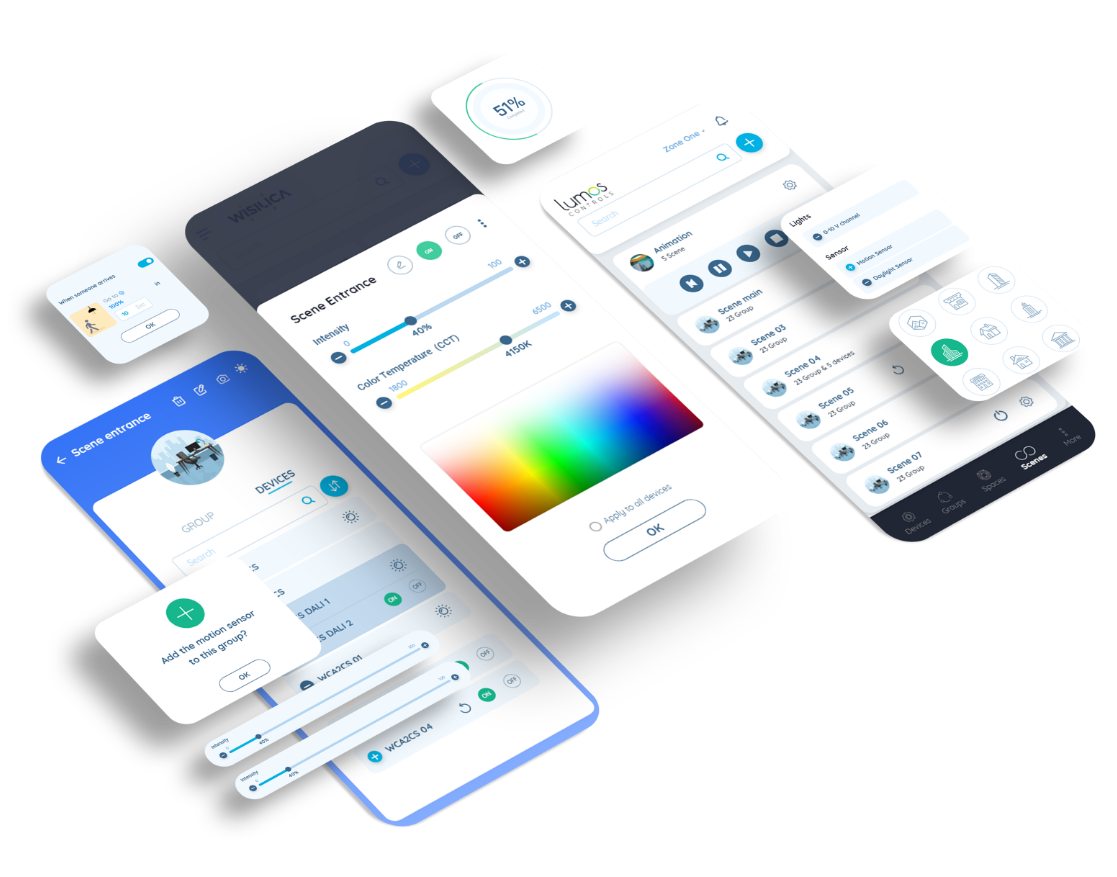

Lighting appears simple, yet it requires frequent manual adjustments throughout the day. Systems like Philips Hue and LIFX provide centralized control and automation.
Scheduling lights to turn off automatically eliminates nightly walkthroughs. Motion sensors prevent wasted electricity while reducing the need to locate switches in dark hallways. Integration with sunrise and sunset cycles ensures optimal brightness without manual adjustment.
Additionally, smart lighting enhances productivity by enabling scene presets. A “focus mode” can instantly adjust brightness and color temperature to optimize concentration. Instead of manually fine-tuning the environment, users transition seamlessly between tasks.
Over months, the cumulative minutes saved by eliminating routine switch toggling and manual adjustments add up significantly. This exemplifies how smart home gadgets save time through environmental automation.
Smart Thermostats: Climate Without Intervention
Climate control is another domain ripe for optimization. Devices like the Google Nest Learning Thermostat and Ecobee SmartThermostat learn usage patterns and adjust automatically.
Rather than manually raising or lowering temperatures throughout the day, smart thermostats adapt based on occupancy and time. Remote access allows adjustments while commuting home, ensuring comfort upon arrival without wasted energy.
Beyond convenience, predictive scheduling removes the need to continuously evaluate whether adjustments are necessary. By automating thermal regulation, these systems remove a recurring decision point from daily life. Again, smart home gadgets save time by delegating environmental management to algorithms.
Smart Plugs: Micro-Automation for Everyday Devices
Not every appliance is inherently “smart,” but smart plugs such as the TP-Link Kasa Smart Plug convert traditional electronics into programmable devices.
Coffee machines can start before waking. Space heaters can shut off automatically. Charging stations can deactivate after reaching capacity. Rather than manually powering devices on and off, schedules and automation handle these tasks.
This form of micro-automation is deceptively powerful. Each interaction might only save seconds, but across dozens of daily interactions, the time savings accumulate. More importantly, these devices reduce interruptions that fragment workflow.
Smart Security Cameras and Video Doorbells
Security traditionally required physical presence or manual monitoring. Devices like the Ring Video Doorbell 4 and Arlo Pro 5 provide instant alerts and remote viewing.
Instead of interrupting work to answer unknown visitors, users can screen deliveries remotely. Package confirmations eliminate uncertainty and unnecessary trips home. Motion detection reduces the need to manually review footage.
In urban environments, where deliveries are frequent, the cumulative convenience becomes substantial. These tools demonstrate another way smart home gadgets save time: by eliminating uncertainty and unnecessary travel.
Smart Kitchen Appliances: Efficiency in Meal Preparation
Kitchen automation directly impacts daily schedules. Smart slow cookers, Wi-Fi coffee makers, and connected ovens allow remote control and monitoring. The June Oven, for example, automatically adjusts cooking settings based on food recognition.
Smart refrigerators track inventory and expiration dates, reducing grocery planning time. Remote preheating ensures efficient meal preparation without idle waiting.
Cooking remains a hands-on activity, but strategic automation removes preparatory inefficiencies. In high-demand households, even ten minutes saved per meal translates into significant weekly gains.
Smart Home Hubs: Centralized Control Architecture
While individual devices provide benefits, fragmentation can create inefficiency. Platforms such as Samsung SmartThings Hub, Apple HomeKit, and Amazon Echo Hub unify control.
Central dashboards eliminate app switching. Automation rules coordinate multiple devices simultaneously. For example, a “leave home” command can lock doors, turn off lights, adjust thermostats, and activate security systems.
Without centralization, the administrative burden of managing devices can offset their benefits. With a cohesive architecture, smart home gadgets save time holistically rather than incrementally.
Smart Irrigation Systems: Automated Outdoor Maintenance
Outdoor maintenance is often overlooked in productivity discussions. Devices like the Rachio 3 Smart Sprinkler Controller adjust watering schedules based on weather forecasts.
Manual watering consumes substantial time, particularly in warmer climates. Smart irrigation systems eliminate this entirely while conserving water. Weather-based automation prevents overwatering and reduces the need for manual recalibration.
For homeowners with gardens or lawns, this automation delivers consistent, measurable time savings.
Smart Locks: Keyless Access and Remote Management
Traditional keys introduce friction—searching for them, duplicating them, or coordinating access. Devices such as the August Wi-Fi Smart Lock and Yale Assure Lock eliminate these steps.
Auto-unlock features recognize proximity, granting entry without manual action. Temporary digital keys simplify guest access. Remote locking ensures security without returning home to check doors.
In shared households or rental properties, these efficiencies significantly reduce coordination time.
The Compounding Effect of Automation
The central theme across all categories is cumulative efficiency. Individually, each device may save only a few minutes per day. Collectively, however, they can reclaim hours weekly. When smart home gadgets save time, they do so through systemic optimization rather than dramatic singular interventions.
Automation reduces friction. Centralization streamlines control. Remote access eliminates unnecessary travel. Together, these mechanisms transform homes from reactive environments into proactive systems.
Choosing Gadgets That Truly Deliver
Not every smart device justifies its cost or complexity. The evaluation criterion should be straightforward: Does this device eliminate a recurring task or significantly reduce cognitive load? If the answer is ambiguous, the time-saving value may be marginal.
Prioritize devices addressing high-frequency activities such as cleaning, lighting, climate control, and security. Integrate them through a centralized hub to maximize synergy. Avoid isolated gadgets that require additional maintenance without clear automation benefits.
Conclusion: Designing a Time-Efficient Home
A well-designed smart home is not about technological abundance but strategic implementation. The most effective systems automate repetitive chores, reduce manual oversight, and minimize interruptions.
When deployed thoughtfully, smart home gadgets save time in measurable and meaningful ways. They transform everyday routines into automated workflows, allowing homeowners to focus on higher-value activities—whether professional work, personal development, or simply leisure.